Todos Los Derechos Reservados © 2024 Glooby
Todos Los Derechos Reservados © 2024 Glooby
Todos Los Derechos Reservados © 2024 Glooby
Pre-Roman Intpn. Center
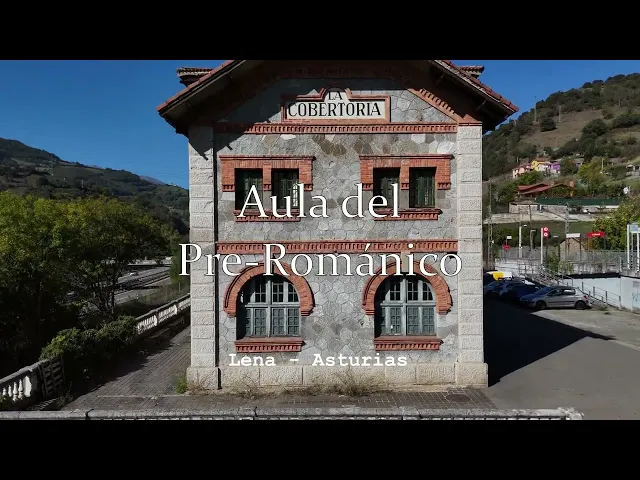
The Pre-Romanesque Interpretation Center of Lena is located in the historic building of the former La Cobertoria train station, a landmark that bridges the region’s industrial past with the artistic richness of Asturias’ pre-Romanesque heritage. Nestled at the foot of the mountains overlooking the Lena River valley, the building retains the architectural essence of its railway origins, blending harmoniously with the surrounding natural and cultural landscape. La Cobertoria station was inaugurated in 1881 as part of the León–Gijón railway line, a key project that connected the plateau with the Asturian coast. For decades, it served as a strategic train classification point, bearing witness to industrial development and the human effort involved in the Pajares railway route. Over time, as the railway network modernized, the station lost its original function, but its solid structure and historical value led to its transformation into a cultural space. Today, the building houses the Pre-Romanesque Interpretation Center of Lena, a museum dedicated to promoting and understanding the art and architecture of the Asturian Kingdom. Through informative panels, scale models, and audiovisual materials, visitors can explore the historical and artistic context of Asturian pre-Romanesque art, with a special focus on the nearby Church of Santa Cristina de Lena, one of the monuments recognized as a UNESCO World Heritage Site. The La Cobertoria Interpretation Center is conceived as a gateway to the early medieval heritage of Asturias. A visit to the center also invites travelers to enjoy the natural beauty of the Lena Valley, a place where history, landscape, and heritage come together in perfect harmony.
Sólo Audio
0:00/1:34
EMERGENCY SERVICES
Pre-Roman Intpn. Center
The Pre-Romanesque Interpretation Center of Lena is located in the historic building of the former La Cobertoria train station, a landmark that bridges the region’s industrial past with the artistic richness of Asturias’ pre-Romanesque heritage. Nestled at the foot of the mountains overlooking the Lena River valley, the building retains the architectural essence of its railway origins, blending harmoniously with the surrounding natural and cultural landscape. La Cobertoria station was inaugurated in 1881 as part of the León–Gijón railway line, a key project that connected the plateau with the Asturian coast. For decades, it served as a strategic train classification point, bearing witness to industrial development and the human effort involved in the Pajares railway route. Over time, as the railway network modernized, the station lost its original function, but its solid structure and historical value led to its transformation into a cultural space. Today, the building houses the Pre-Romanesque Interpretation Center of Lena, a museum dedicated to promoting and understanding the art and architecture of the Asturian Kingdom. Through informative panels, scale models, and audiovisual materials, visitors can explore the historical and artistic context of Asturian pre-Romanesque art, with a special focus on the nearby Church of Santa Cristina de Lena, one of the monuments recognized as a UNESCO World Heritage Site. The La Cobertoria Interpretation Center is conceived as a gateway to the early medieval heritage of Asturias. A visit to the center also invites travelers to enjoy the natural beauty of the Lena Valley, a place where history, landscape, and heritage come together in perfect harmony.
Sólo Audio
0:00/1:34
EMERGENCY SERVICES
Pre-Roman Intpn. Center
The Pre-Romanesque Interpretation Center of Lena is located in the historic building of the former La Cobertoria train station, a landmark that bridges the region’s industrial past with the artistic richness of Asturias’ pre-Romanesque heritage. Nestled at the foot of the mountains overlooking the Lena River valley, the building retains the architectural essence of its railway origins, blending harmoniously with the surrounding natural and cultural landscape. La Cobertoria station was inaugurated in 1881 as part of the León–Gijón railway line, a key project that connected the plateau with the Asturian coast. For decades, it served as a strategic train classification point, bearing witness to industrial development and the human effort involved in the Pajares railway route. Over time, as the railway network modernized, the station lost its original function, but its solid structure and historical value led to its transformation into a cultural space. Today, the building houses the Pre-Romanesque Interpretation Center of Lena, a museum dedicated to promoting and understanding the art and architecture of the Asturian Kingdom. Through informative panels, scale models, and audiovisual materials, visitors can explore the historical and artistic context of Asturian pre-Romanesque art, with a special focus on the nearby Church of Santa Cristina de Lena, one of the monuments recognized as a UNESCO World Heritage Site. The La Cobertoria Interpretation Center is conceived as a gateway to the early medieval heritage of Asturias. A visit to the center also invites travelers to enjoy the natural beauty of the Lena Valley, a place where history, landscape, and heritage come together in perfect harmony.
Sólo Audio
0:00/1:34
EMERGENCY SERVICES
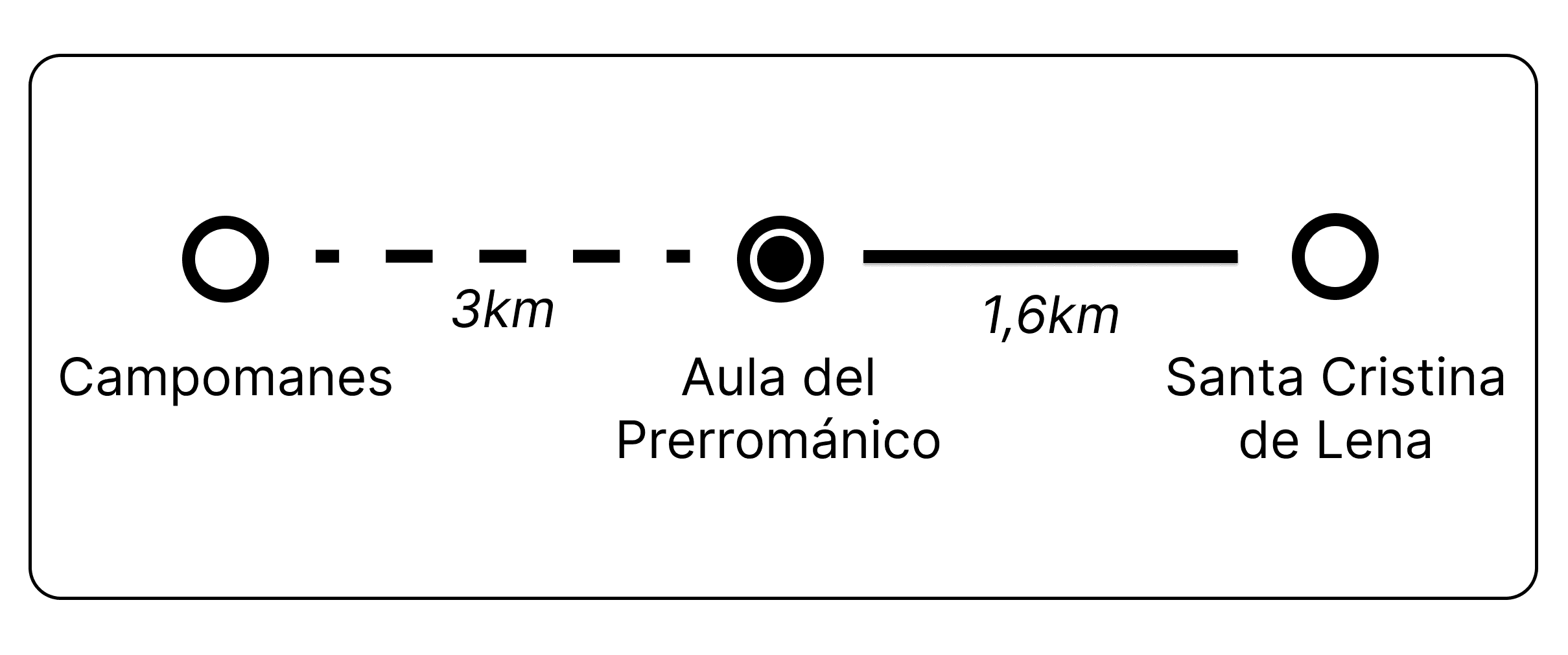
Next destination
Next destination
Santa Cristina de Lena
Santa Cristina de Lena